Four Insights from ALSC Global 2026
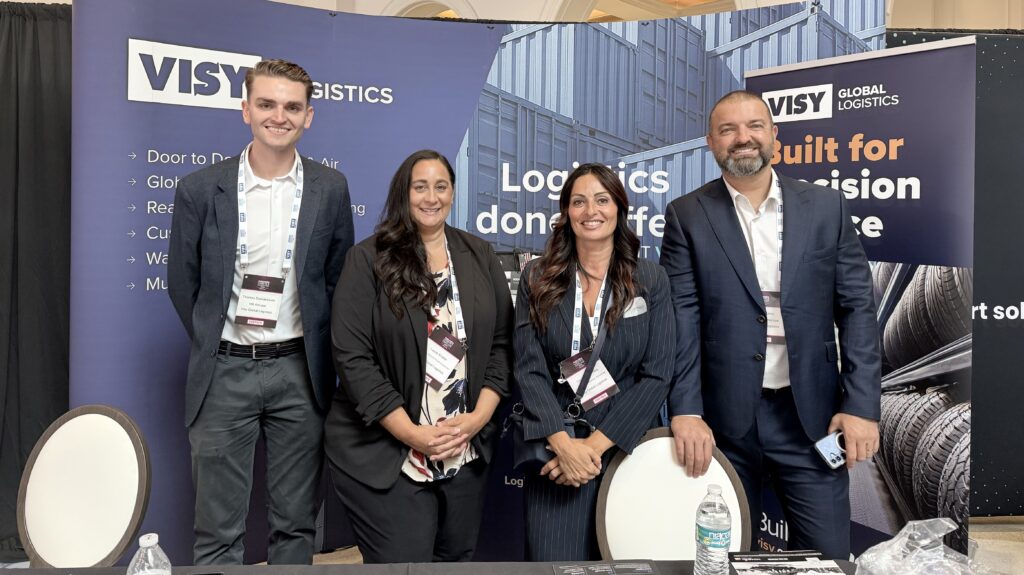
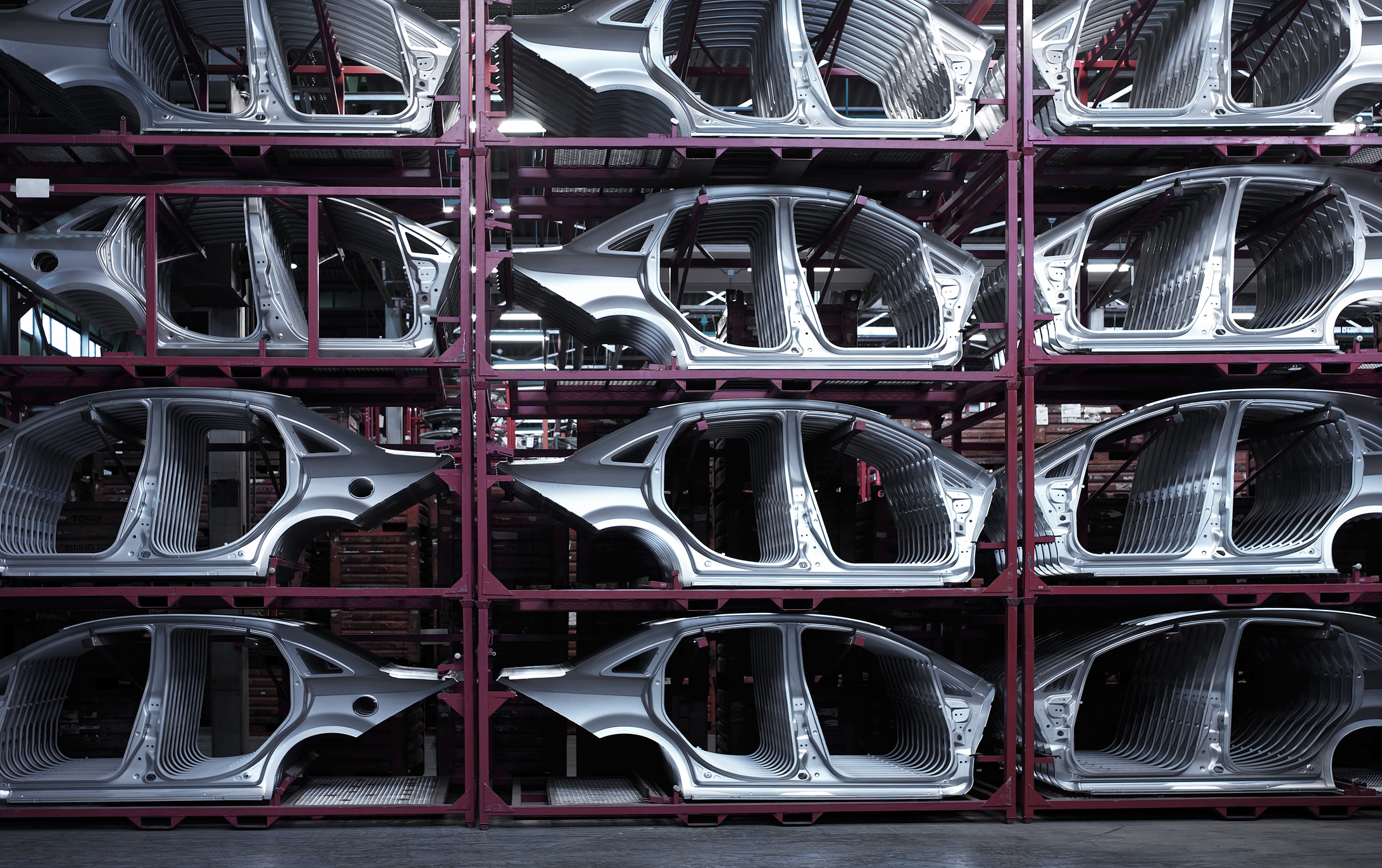
Automotive supply chain leaders are being asked to protect production continuity, control landed cost, respond to changing trade requirements and improve visibility, often without adding inventory or operational complexity. At Automotive Logistics & Supply Chain Global 2026, OEMs, tier suppliers, logistics providers and technology innovators confirmed that these pressures are no longer temporary disruptions; they are now part of everyday business.
The conversations highlighted four practical priorities for companies seeking to reduce risk, improve performance and build supply chains that can support growth.
Designing Resilience Before Freight Begins Moving
Resilience is no longer measured only by how quickly a team responds to disruption. It is measured by how effectively the supply chain detects risk, protects production and prevents the same problem from recurring. That capability is shaped long before freight begins moving, through network design, sourcing decisions, inventory strategy, routing options and clearly defined escalation plans.
For automotive organizations, this means gaining end-to-end cost and milestone visibility, engaging suppliers earlier and identifying supply, route, inventory and trade-compliance risks before they become production disruptions. The strongest supply chains are designed around collaboration, transparency and a shared understanding of where risk sits across the network.
Moving Beyond Freight Rates to Total Supply-Chain Cost
Automotive supply chains continue to face elevated costs, fluctuating demand and evolving international trade requirements. Yet the lowest freight rate does not always produce the lowest total cost. Delays, excess inventory, avoidable handoffs, premium freight and recurring exceptions can create far greater operational and financial impact.
The opportunity is not simply to negotiate a lower transportation rate, but to remove recurring cost and inefficiency across routing, handoffs, inventory positioning and exception management. Leading organizations are embedding measurement, root-cause analysis and operational discipline into everyday decision-making so that improvement becomes continuous rather than event-driven.
Why Automotive Companies Need Logistics Partners Who Understand Production
One of the clearest takeaways for Visy Global Logistics was the growing demand for partners who understand the realities of manufacturing. Automotive companies need more than shipment updates; they need partners who recognize the operational consequences of a missed milestone and can help protect production, inventory availability and customer commitments.
When recurring shipment exceptions begin affecting inventory availability, the right response is not only to expedite the next load. It is to identify the process failure, clarify ownership, improve visibility and prevent the issue from repeating. A logistics provider should understand not only where the shipment is, but what the delay means for the customer’s operation.
That perspective is embedded in the foundation of Visy Global Logistics. Our origins supporting manufacturing operations shape how we approach logistics today: connecting shipment milestones to production requirements, looking beyond individual movements to identify recurring causes of delay or premium freight, and using operational reviews to uncover measurable improvement opportunities. We understand that supply chains do not operate in isolation, they directly influence production performance, inventory management and customer outcomes.
Turning Provider Relationships into Performance Partnerships
Another consistent message from ALSC Global was that the most valuable logistics relationships are built on more than transportation rates or individual shipments. They create shared visibility, agreed escalation paths, measurable improvement targets and accountability on both sides.
As supply chains become more interconnected, organizations need partners who can contribute to long-term business objectives, surface risks early and work collaboratively when conditions change. The shift from transactional service to performance partnership helps teams resolve issues faster, reduce repeat failures and create a clearer path to continuous improvement.
Looking Ahead
ALSC Global 2026 reinforced that the future of automotive logistics will be shaped by organizations that can combine people, process and technology while maintaining a relentless focus on operational performance. The opportunity is to use better visibility, stronger collaboration and disciplined continuous improvement to protect production, control total cost and build a more adaptable supply chain.
The cost of waiting for the next disruption is often measured in production delays, premium freight, excess inventory and missed customer commitments. If these pressures are affecting your operation, or if you want to address them before they do, Visy Global Logistics is ready to help. Let’s examine your network, visibility gaps and recurring exceptions together, identify where risk and hidden cost are entering the supply chain, and define practical actions that deliver measurable improvement. Start a conversation with our team to turn your next supply-chain challenge into a stronger, more resilient competitive advantage.